
The Damage of Doomscrolling
By Ashley Weng
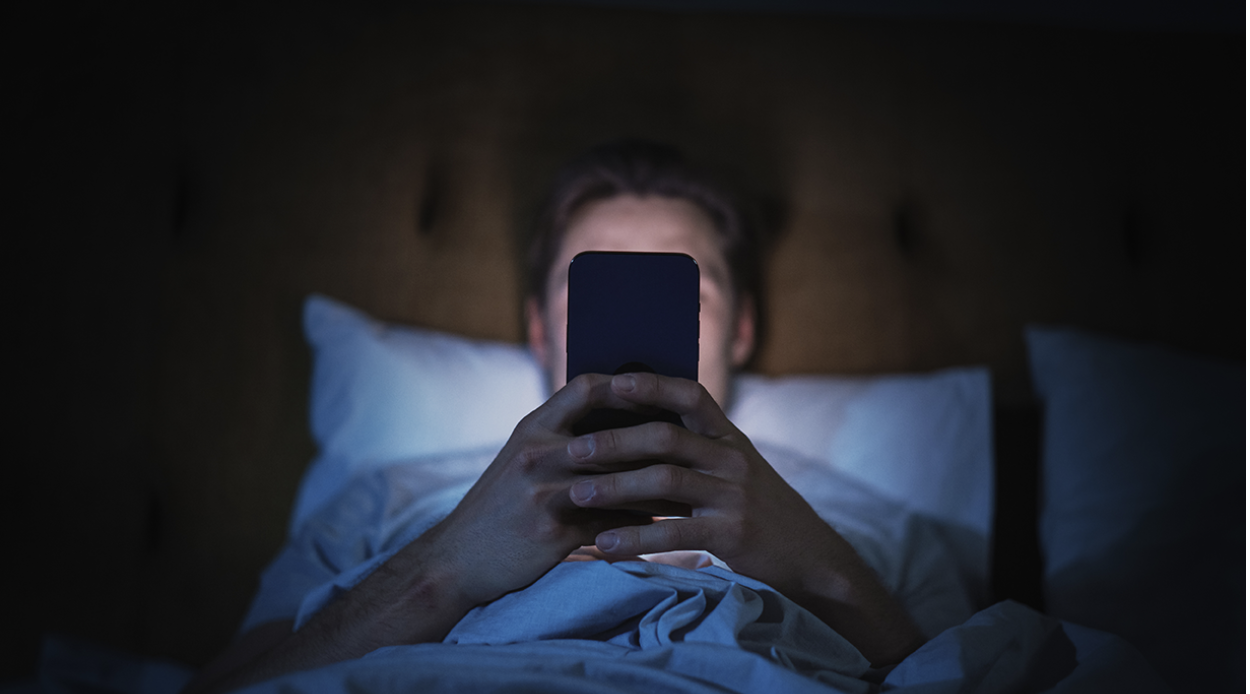
Picture courtesy of CrisisTextLine.
What is it?
With the emergence of smartphones in the past decades, social media apps have become
increasingly normalized and more accessible. With access to apps like TikTok, Instagram, and
On Snapchat, people of all ages can scroll for hours with an unlimited source of addictive entertainment. ‘Doomscrolling’ is a term created to describe the act of constantly consuming bleak news on social media apps and becoming addicted to checking for updates on negative events. It’s when individuals feel the need to immerse themselves in horrible events or discoveries that make the world a darker place, until they find they can’t get themselves out of that media spiral. To make things worse, doomscrolling has been found to inflict depression, anxiety, and other mental health issues upon its victims.
Why is it so addictive, and what does it do?
Because phones and the media are so accessible now, scrolling on TikTok or Instagram can be a nice way to destress from difficulties. However, Sandara McElliot, clinical manager of adult outpatient services at Greater Lakes Mental Healthcare, says that “addiction starts as something positive that activates dopamine receptors…but then you're constantly chasing that high, which doesn’t return”(Malott). That means that because of the satisfaction that individuals get from scrolling on social media, they become obsessed with it, until the news and information they receive consume their daily lives. Doomscrolling harms individuals when the media they see is negative. It gravely impacts mental health and physical health, instilling problems such as anxiety and depression. Doomscrolling also leads to insomnia, as “70% of participants acknowledged checking social media from bed, and the more time they spent doing so, the more likely they were to have trouble falling asleep”(How to Finally Stop Doomscrolling). Due to the massive amounts of kids, adults, and teenagers who use social media every day, doomscrolling is a huge issue that cannot be shoved to the side.
Solutions
Because the mental and physical effects of doomscrolling are so grave and widespread, it is important to consider possible solutions to help people back away from their social media apps. Although different solutions work for different people, many are easy to do that will help with doom-scrolling issues. University Hospitals recommends “setting a timer on your phone or scheduling specific times to scroll online” while also utilizing “phone settings and apps designed to limit your access to social media and news accounts”(Doomscrolling: Breaking the Habit). Setting your phone up so that you are unable to constantly access social media apps is a great way to push away the negative news that doomscrolling ultimately brings. Another way to stop doomscrolling would be to replace ‘social media time’ with a hobby, like going for a walk or painting instead of using that free time to scroll on Tiktok or Instagram. Doing tranquil activities greatly improves mental and physical health, unlike how doomscrolling can eventually harm those two crucial aspects of life. Finally, another excellent solution is simply asking for help. If an individual is really struggling with social media addiction and an obsession with negative news, they must talk to someone like a counselor, doctor, or a family member who can guide them to success.
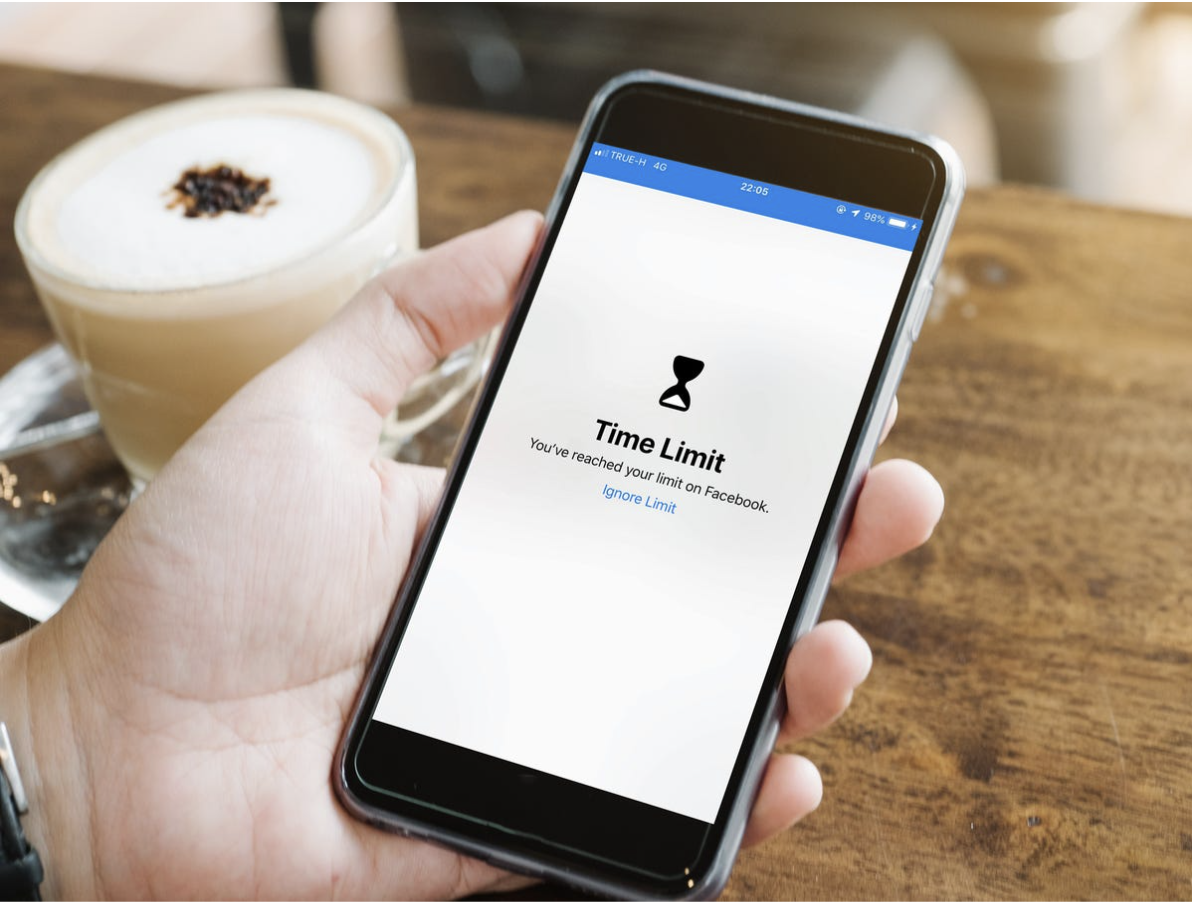
On Apple iPhones, users can limit their time on social media apps, separating themselves from the effects of doomscrolling. Picture courtesy of Shutterstock.
Conclusion
As established, doomscrolling is a widespread issue that endangers the mental and physical health of individuals. It inflicts depression, anxiety, and even insomnia upon its victims, which could potentially build up to something worse, like suicide. However, it can be fixed with consistent and dedicated practice in restraining from social media and restricting negative news accounts or sites. Although social media is such a big part of our world, it is up to the individual to let it affect them so gravely. With the right restrictions and balance on the internet, this obsession with negative news can be defeated.
References
Cleveland Clinic. (2024, May 6). What doomscrolling is and how to stop. https://health.clevelandclinic.org/everything-you-need-to-know-about-doomscrolling-and-how-to-avoid-it
Hospitals, U. (2024, July 9). Doomscrolling: Breaking the habit. University Hospitals. https://www.uhhospitals.org/blog/articles/2024/07/doomscrolling-breaking-the-habit
Sussex Publishers. (n.d.). The dangers of doom scrolling. Psychology Today. https://www.psychologytoday.com/us/blog/its-not-just-in-your-head/202412/the-dangers-of-doom-scrolling
